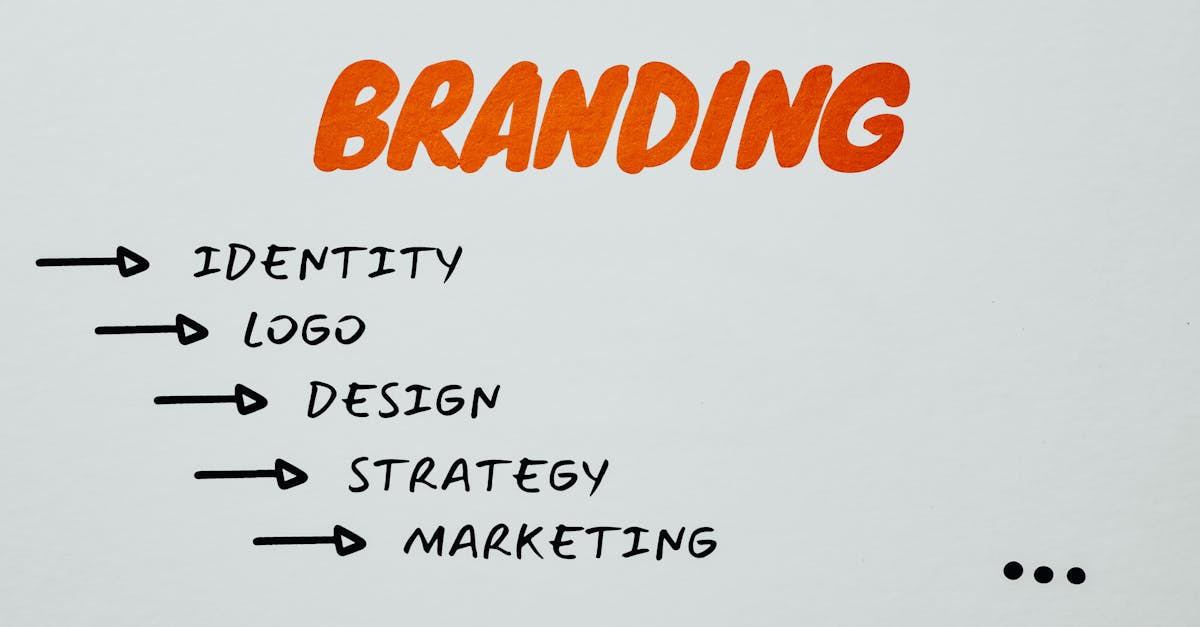
1. Introduction: Why Your Brand is Your Business Identity
Have you ever wondered why you choose one coffee shop over another, even if the price is exactly the same? It is not just about the caffeine fix. It is about how that brand makes you feel. A brand is much more than a logo or a catchy slogan. It is the heartbeat of your business. When you build a strong brand, you are essentially creating a promise to your customers that you intend to keep every single day. In this guide, we are going to dive deep into how you can construct a brand that not only survives the competitive landscape but actually thrives in it.
2. Understanding What a Brand Truly Is
Think of your brand as your business personality. If your company were a person walking into a room, how would they act? Would they be professional and stiff, or playful and quirky? A brand represents the collective perception people have of your business. It is the emotional gut reaction someone gets when they hear your company name. You do not define your brand; your customers do, based on every interaction they have with you. However, you can definitely steer that narrative by being intentional with every single touchpoint.
3. Defining Your Core Purpose and Mission
Before you design a business card, you need to understand your why. Why does your business exist beyond just making money? Customers today are incredibly savvy. They want to buy from businesses that stand for something. Your mission statement should be the compass that guides your decisions. If you are struggling to define it, ask yourself: what problem am I solving for the world, and why does it matter to me? When your purpose is clear, it attracts like minded individuals who will become your most loyal advocates.
4. Identifying Your Ideal Target Audience
If you try to appeal to everyone, you end up appealing to no one. It is a classic trap. You need to get granular. Who exactly is your customer? What are their fears, their dreams, and their daily struggles? Creating a buyer persona helps you humanize your data. Imagine a single person you are trying to help. What keeps them up at night? When you speak directly to that one person, you find that your marketing becomes far more potent. It is like whispering to a friend in a crowded room rather than shouting at a stadium.
5. Developing a Consistent Brand Voice and Personality
Imagine if your favorite brand suddenly changed their tone from friendly and helpful to cold and robotic. You would notice, right? Your brand voice needs to remain steady across every platform, from your website copy to your customer support emails. Are you the knowledgeable expert, the supportive partner, or the witty disruptor? Once you choose your lane, stay in it. Consistency is the secret sauce that builds recognition and familiarity over time.
6. Creating a Visual Identity That Sticks
Visuals are the first thing people notice, even before they read your mission statement. Think of visual identity as the outfit your brand wears.
6.1. The Power of a Memorable Logo
Your logo does not need to explain what you do; it just needs to be recognizable. Think of Apple or Nike. Their logos are simple, yet they carry massive weight because of what they represent. Keep it clean, keep it timeless, and ensure it works just as well on a billboard as it does on a tiny smartphone screen.
6.2. Leveraging Color Psychology
Colors evoke feelings. Blue often signals trust and professionalism, while yellow might represent energy and optimism. Choose a palette that aligns with your brand personality. Do not pick colors just because you like them; pick them because they tell the story you want your customers to feel immediately.
7. Crafting an Irresistible Value Proposition
What makes you different from your competitors? This is your unique selling proposition. It is not enough to be good; you have to be different in a way that actually matters to the customer. Why should they choose you? Maybe it is your superior speed, your incredible eco friendly packaging, or your top tier customer support. Whatever it is, make sure it is bold, clear, and easy to understand within seconds of arriving on your homepage.
8. The Crucial Role of Customer Experience
Your brand is ultimately the sum of your customer experiences. If your marketing says you are the best, but your support team is slow and unhelpful, your brand is effectively broken. Treat every interaction as a branding opportunity. From the unboxing experience to the return policy, every detail counts. A happy customer who feels valued is your best marketing tool because they will tell their friends, and word of mouth is the most powerful currency in business.
9. The Golden Rule of Brand Consistency
Imagine walking into a shop that looks high end on the outside but has a messy, chaotic interior. You would feel confused. This is exactly how customers feel when a brand is inconsistent. Whether it is your Instagram captions, your email newsletters, or your physical store layout, everything needs to feel like it belongs to the same family. Consistency breeds trust, and trust is the bedrock of every successful purchase.
10. Master the Art of Brand Storytelling
Humans are hardwired for stories. We do not remember dry statistics; we remember the narrative. Share your journey. Talk about the failures that taught you lessons, the vision that kept you going, and the people who have helped you along the way. When you invite your audience into your story, they stop being observers and start being participants. That emotional connection is what turns a one time buyer into a lifelong fan.
11. Building an Authentic Online Presence
In the digital age, your website is your digital storefront. It needs to be welcoming, intuitive, and reflective of your brand personality.
11.1. Choosing the Right Social Media Channels
Do not feel pressured to be on every platform. It is better to be excellent on one or two platforms than mediocre on five. If your audience is mostly on LinkedIn, focus your efforts there. Go where your customers already spend their time and join the conversation rather than just broadcasting at them.
11.2. Why Content Strategy Matters
Content is how you show your expertise. Whether it is blog posts, videos, or podcasts, provide value before you ask for a sale. Help your audience solve their smaller problems for free, and they will trust you enough to hire you for the big ones. Education is the best form of marketing because it positions you as the authority in your field.
12. Establishing Trust Through Social Proof
People look for signals that it is safe to do business with you. Testimonials, case studies, user generated content, and trust badges are all forms of social proof. They effectively tell the new customer, you are not the first person to try this, and you will not be the last. Display these proudly. It removes the friction of doubt and makes it easier for the customer to say yes to your brand.
13. Adapting Without Losing Your Identity
The market changes, and your business must evolve with it. However, evolution is not the same as a total identity crisis. Stay true to your core values while updating your methods. If your goal is to provide exceptional service, the technology you use might change from email to chatbots, but the heart of your brand remains centered on the customer. Always ask yourself: does this change help us serve our mission better?
14. Monitoring Your Brand Reputation Over Time
You cannot manage what you do not measure. Listen to what people are saying about you online. Are there recurring themes in your customer feedback? Use these insights to refine your brand. If you see a trend of people praising your speed, double down on that. If you see a trend of confusion about your pricing, clarify it. Branding is a conversation, not a monologue, so keep your ears open.
15. Conclusion: Your Journey to a Legendary Brand
Building a brand is not a sprint; it is a marathon. It takes time, patience, and a whole lot of authenticity. Do not expect to build a powerhouse overnight. Focus on showing up consistently, delivering on your promises, and putting your customer at the center of every single decision. If you keep refining your approach and stay true to your mission, you will eventually find that your brand has a life of its own. It will become a symbol that resonates with people, stands the test of time, and creates a lasting legacy in your industry.
Frequently Asked Questions
1. How long does it take to build a strong brand?
Building a strong brand is an ongoing process that takes years, not weeks. It requires consistent effort, patience, and the ability to adapt to your audience while staying true to your core mission.
2. Do I need a huge budget to create a brand?
Absolutely not. While having a budget helps with professional design and advertising, many successful brands started with zero budget. The most important components of a brand are your story, your consistency, and your dedication to serving your customers.
3. What if my target audience changes?
If your audience shifts, your brand should be flexible enough to pivot while maintaining its fundamental identity. Think of it as rebranding your approach rather than changing who you are as a business.
4. How do I differentiate my brand in a crowded market?
Focus on your unique angle. What is something you do that no one else does, or what is a specific problem you solve better than anyone else? Often, your personal story or a unique approach to customer service is enough to set you apart.
5. Is it possible to change my brand identity later?
Yes, but do it carefully. You can evolve your visual identity or your messaging, but changing your core purpose or values too often will confuse your audience and erode the trust you have built over time.